

The Best Age to Start Martial Arts
It All Begins Here
Ages 7–12: The Sweet Spot
After decades of teaching traditional martial arts, I've observed that age can play an important role in a student's interest, commitment, and long-term success. While every individual is different, certain age groups tend to face different challenges when it comes to beginning and maintaining martial arts training.
UNDER AGE 7 – Early Enthusiasm, Shorter Attention Spans
Young children are often excited about starting karate. However, their attention spans, maturity, and interests are still developing. That initial enthusiasm can sometimes fade after just a few months.
One concern is that introducing formal martial arts training too early may create a negative experience. Years later, when the child is ready to try again, they may remember karate as something they didn't enjoy and be reluctant to return.
AGES 7–12 – THE SWEET SPOT
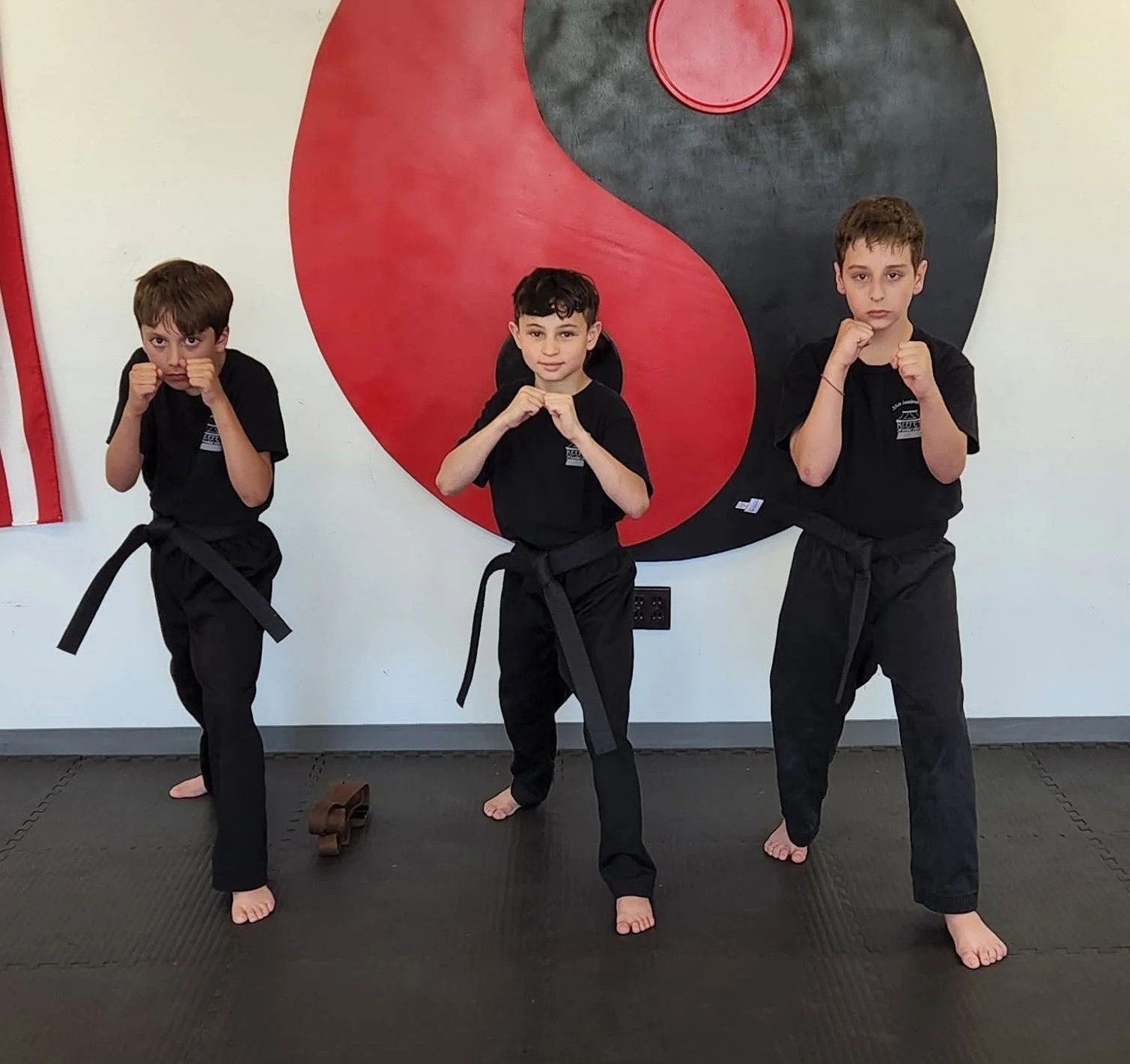
In my experience, this is the ideal age range to begin traditional martial arts training.
Children in this group generally have the attention span, coordination, maturity, and ability to follow instructions necessary to make meaningful progress. They are also young enough to develop strong habits, discipline, and a lasting interest in the martial arts.
Many students who begin training during these years continue for several years, with some eventually earning their black belts.
AGES 13–17 – The Teenage Years
Teenagers are certainly capable of becoming excellent martial artists. However, maintaining consistent training can become challenging as other priorities compete for their time.
Schoolwork, organized sports, friendships, social activities, and changing interests can make martial arts training less of a priority.
While dedicated teenagers can achieve tremendous success, this age group can be more difficult to retain in traditional martial arts programs.
Final Thoughts
For traditional martial arts, I believe ages 7–12 offer the best opportunity to develop a long-term commitment to training.
This age group often provides the ideal combination of enthusiasm, physical development, mental readiness, and available time.
Of course, there are exceptions at every age. Some children under seven thrive in structured programs, teenagers can become exceptional martial artists, and adults can begin training successfully well into their later years.
These observations are based on my personal teaching experience in traditional martial arts, rather than a universal rule. Other disciplines, such as Brazilian Jiu-Jitsu, mixed martial arts, boxing, and competitive martial arts, may attract and retain very different age groups.
Ultimately, the best age to begin martial arts is when a student has the interest, maturity, and opportunity to train consistently and enjoy the experience.
______________________________________________________________
ADULT AGE OBSTACLES
YOUNG ADULTS – Strong Interest, Limited Time
Young adults often have a genuine desire to learn martial arts, particularly for fitness, self-defense, and personal development.
Unfortunately, this is also a demanding stage of life. College, beginning a career, working overtime or multiple jobs, and developing relationships can make consistent attendance difficult.
As a result, young adults may represent a relatively small percentage of students in traditional martial arts schools.
ADULTS – Competing Responsibilities
Adults often appreciate the physical, mental, and practical benefits of martial arts training. However, family responsibilities, raising children, career demands, and limited personal time can become significant obstacles.
For many adults, the greatest challenge isn't a lack of interest or ability—it's finding the time to make training a consistent part of their lives.
OLDER ADULTS – Training for Health and Longevity
Many older adults have a strong interest in martial arts, particularly for maintaining physical fitness, balance, mobility, and mental well-being.
However, certain traditional martial arts styles can be physically demanding, especially for individuals dealing with age-related limitations or previous injuries.
Tai Chi provides an excellent alternative. Its emphasis on controlled movement, balance, coordination, relaxation, and mindful exercise makes it particularly appealing to older adults.
Martial arts training doesn't necessarily have an expiration date. The key is finding an appropriate style and level of intensity.

What Is a Black Belt?
It All Begins Here
Earning a black belt is a significant achievement. It marks a student’s transition from learning the foundations of the martial arts to becoming an advanced practitioner.
In many ways, earning a black belt is similar to graduating from high school. It represents years of training, discipline, effort, and personal growth—but it is not the end of the journey. In fact, it is the beginning of a deeper level of study and understanding.
A black belt does not mean, “Nobody can beat me.” No rank can guarantee that.
Rather, a black belt signifies that a student has developed a high level of proficiency in the techniques, principles, and fighting skills of the art. More importantly, it demonstrates the discipline, perseverance, self-control, and character required to reach that level.
A black belt is not the finish line. It is the point at which a serious student is truly prepared to begin mastering the art.